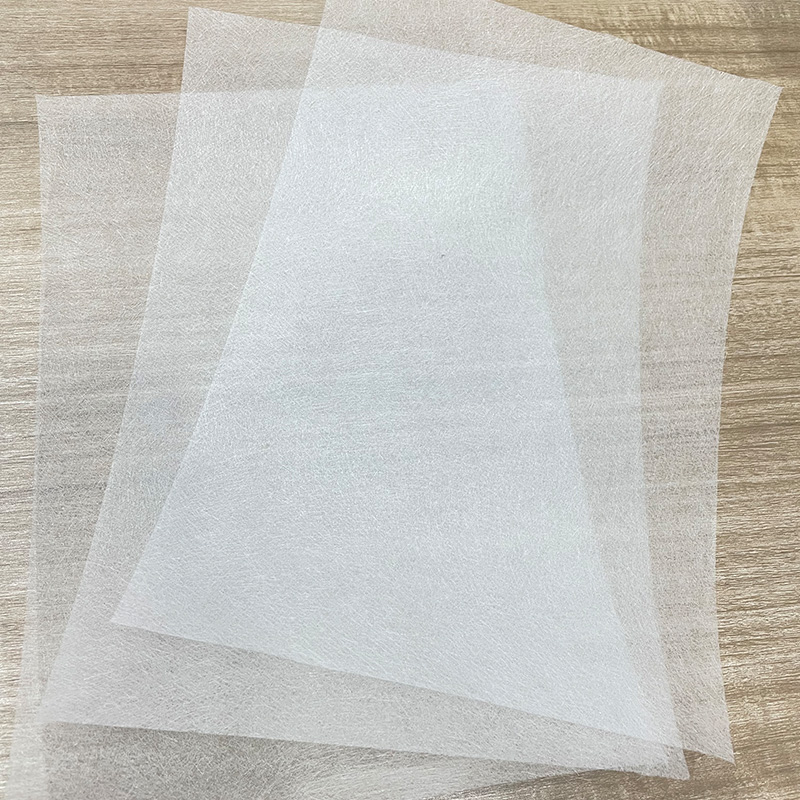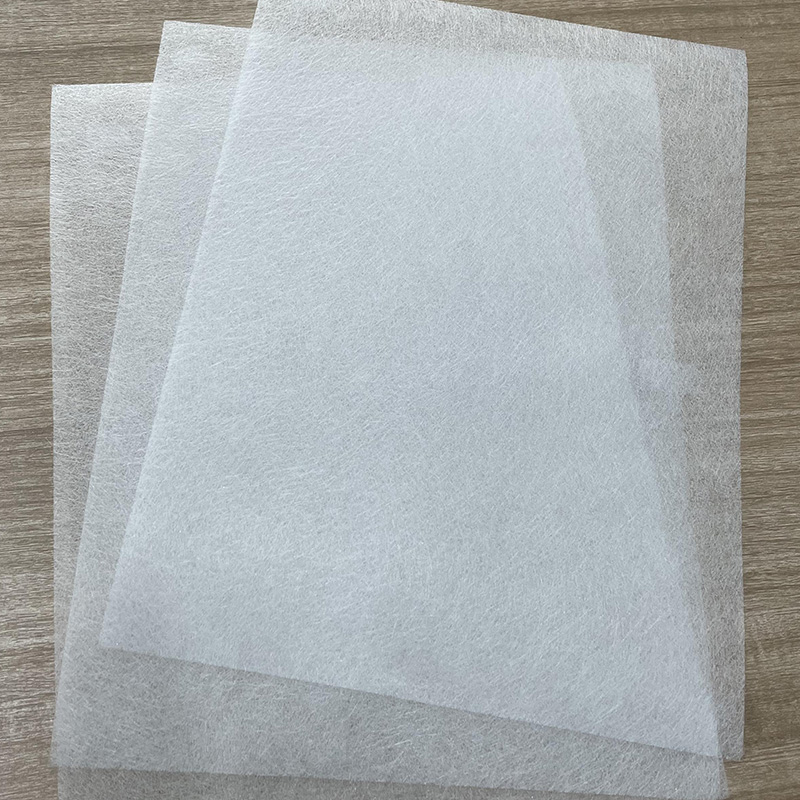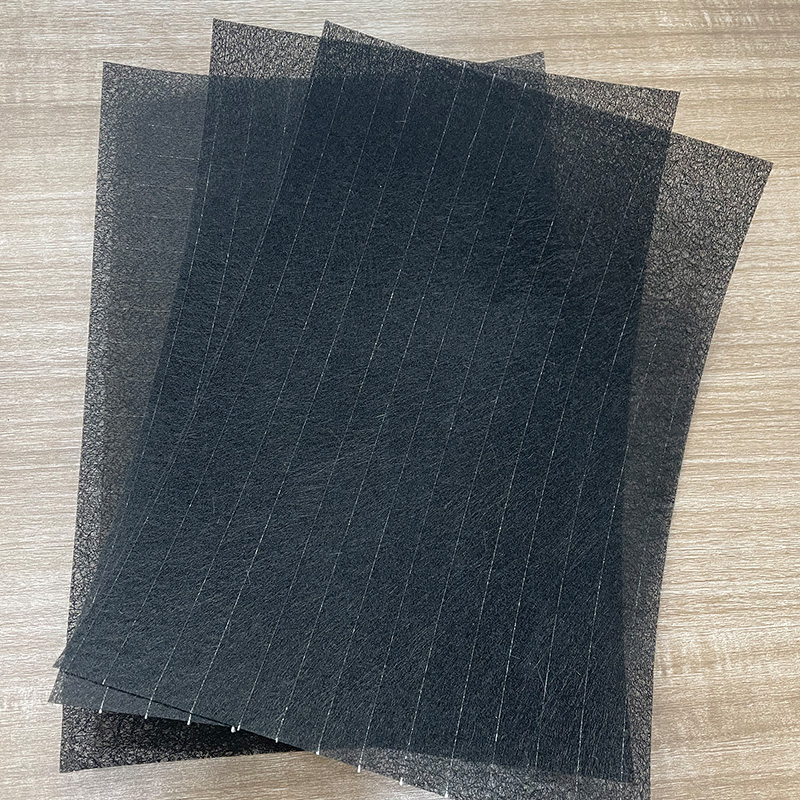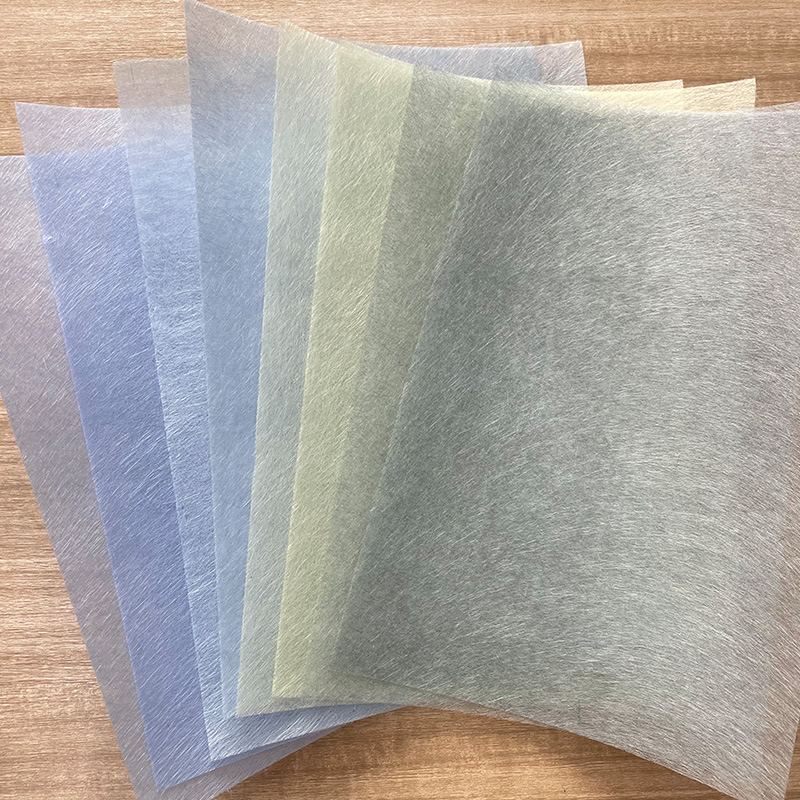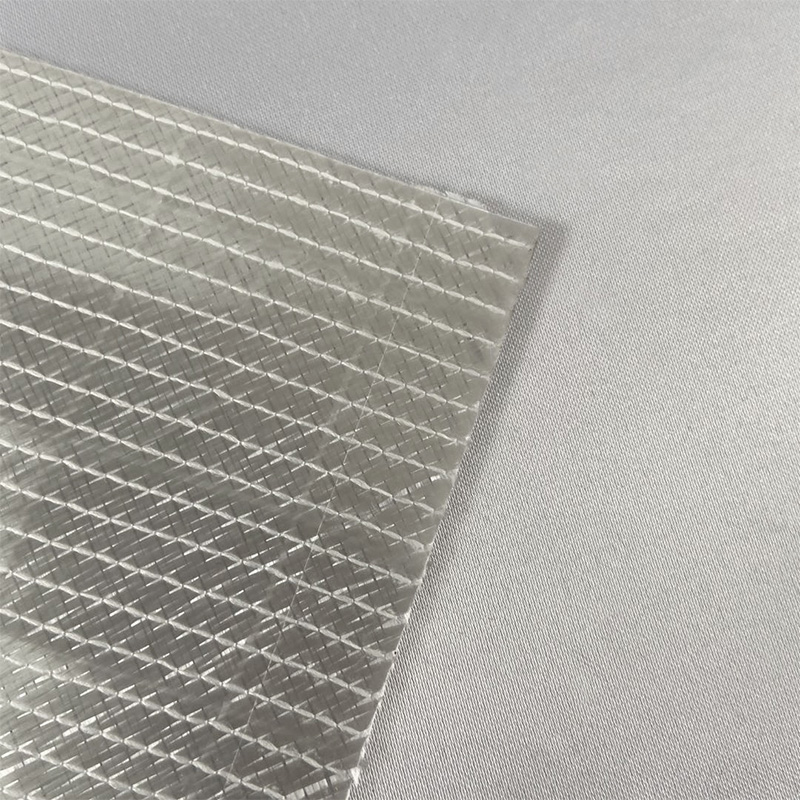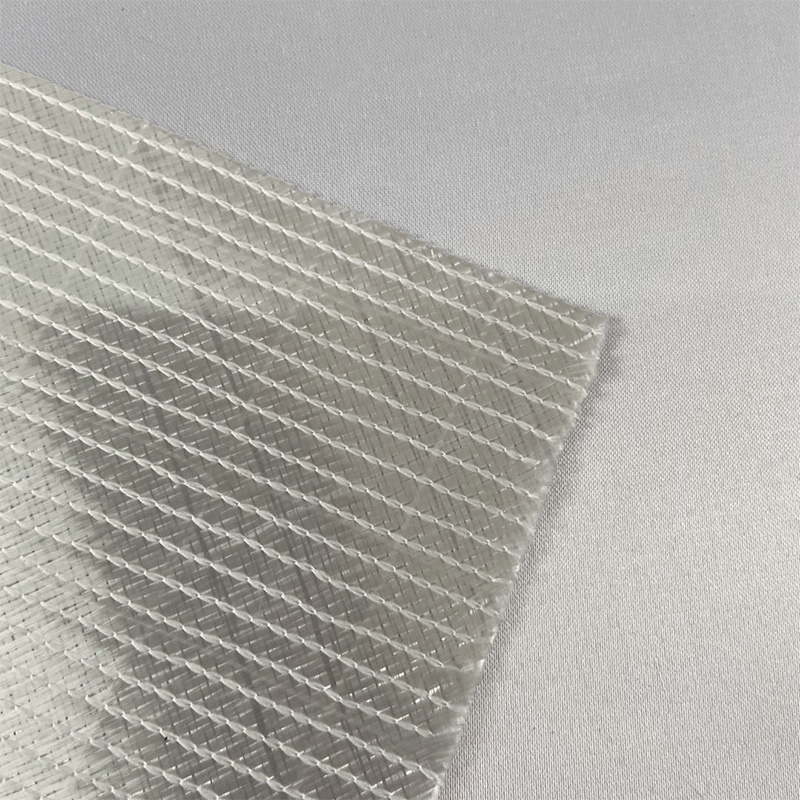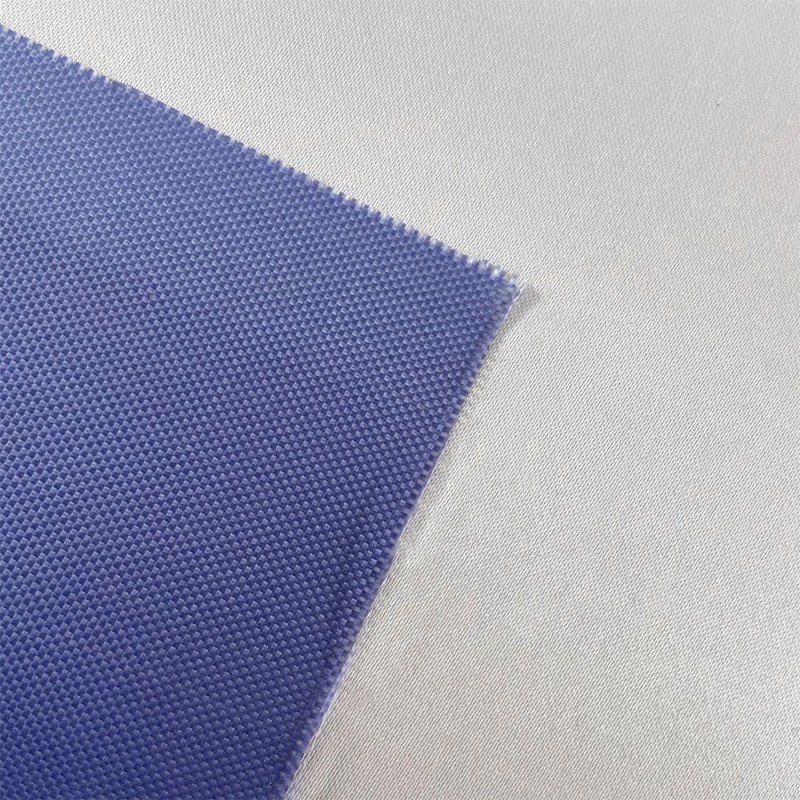

Carbon fiber cloth delivers ultra-high specific strength (strength-to-weight ratio) and specific stiffness while enabling composite weight reductions of 30–60% compared to metals. A typical carbon fiber cloth/epoxy composite has a density of only 1.55 g/cm³, tensile strength exceeding 700 MPa, and a specific strength approximately 6 times higher than high-strength steel. By transforming high-performance fibers into engineered composites, carbon fiber cloth is the definitive reinforcement for lightweight, high-strength structures.
1. Intrinsic Mechanisms: How Carbon Fiber Cloth Enhances Composite Performance
Carbon fiber cloth contributes through a synergy of high-modulus fibers and balanced fabric architecture. Continuous carbon fibers carry almost the entire mechanical load, while the resin matrix transfers stress and protects fibers. Unlike metals, carbon fiber cloth composites are anisotropic yet highly designable. With a single-fiber tensile strength of 3500–4800 MPa and a density of just 1.6 g/cm³, carbon fibers provide a specific strength of about 2200 kN·m/kg – compared to only ~70 kN·m/kg for structural steel. When woven into bidirectional cloth, the fabric distributes loads across multiple orientations, improving impact resistance and interlaminar fracture toughness.
Key figure: The specific stiffness (E/ρ) of carbon fiber cloth composites reaches over 37 MN·m/kg, which is 40% higher than aluminum. The woven architecture also arrests crack propagation, delivering damage tolerance compared to unidirectional laminates.
2. Quantitative Advantages: Carbon Fiber Cloth vs. Conventional Materials
The table below compares carbon fiber cloth/epoxy composites (Vf ≈ 50–55%) with traditional structural materials. The data clearly demonstrate the lightweight, high-strength dominance of carbon fiber cloth.
| Material | Density (g/cm³) | Tensile Strength (MPa) | Tensile Modulus (GPa) | Specific Strength (kN·m/kg) |
|---|---|---|---|---|
| Carbon Fiber Cloth/Epoxy | 1.55 | 720 | 58 | 465 |
| Glass Fiber Cloth/Epoxy | 1.90 | 450 | 24 | 237 |
| Aluminum (6061-T6) | 2.70 | 310 | 69 | 115 |
| Mild Steel (A36) | 7.85 | 400 | 200 | 51 |
The specific strength of carbon fiber cloth composites is nearly double that of glass fiber composites, over 4 times that of aluminum alloy, and 9 times that of structural steel. This enables engineers to reduce structural weight dramatically without compromising strength.
3. Practical Guidelines to Maximize Lightweight & High-Strength Potential
To fully exploit carbon fiber cloth in lightweight, high-strength composites, focus on these engineering parameters:
- Fiber volume fraction (Vf): Optimal range is 50–60%. Below 45% strength drops significantly; above 65% risks dry spots. Vacuum-assisted resin infusion consistently achieves 55% Vf.
- Stacking sequence: Use symmetric and balanced layups (e.g., [(0/90)]₃s) to avoid warpage and improve multi-axial strength. Twill or satin weaves offer better drape and fiber straightness than plain weave.
- Resin compatibility: Low-viscosity epoxy ensures complete fiber wet-out. Interlaminar shear strength (ILSS) should exceed 60 MPa to prevent delamination.
- Cure cycle optimization: Apply 0.3–0.7 MPa pressure and controlled ramp rates to keep void content below 1%, which can increase flexural strength by more than 20%.
Following these guidelines, carbon fiber cloth composites achieve >85% of theoretical strength and reduce component weight by over 50% compared to metal parts while maintaining equal or higher load capacity.
4. Influence of Fabric Architecture and Resin on Composite Performance
4.1 Weave style direct impact
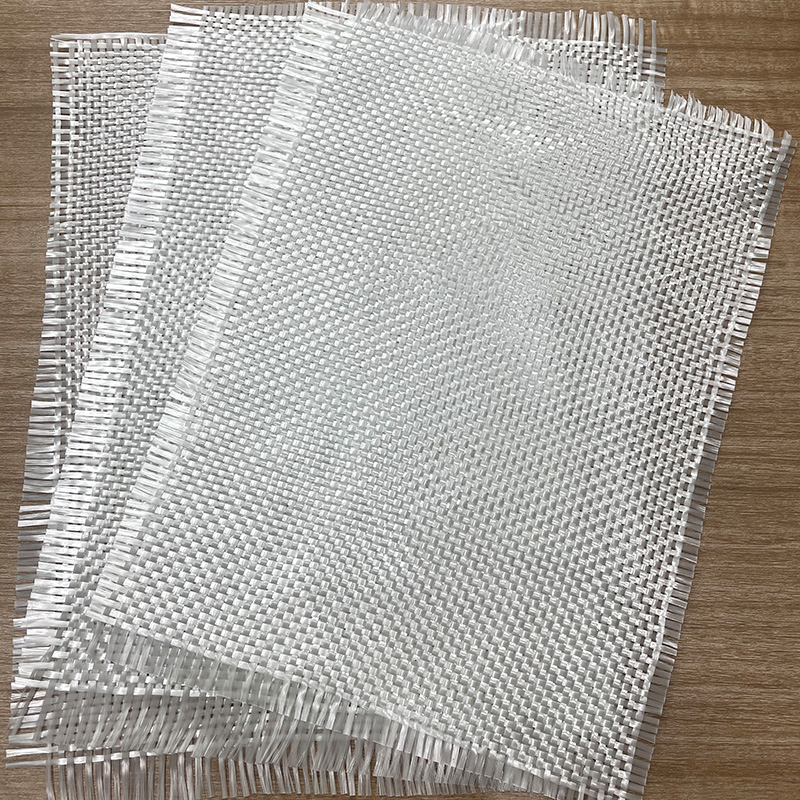
Plain weave offers surface finish but sacrifices 20–25% strength due to crimp. Twill (2/2) provides better conformability and impact resistance, retaining about 80% of theoretical tensile strength. 8-harness satin weave yields up to 820 MPa tensile strength – 12% higher than plain weave – while conforming to complex contours.
4.2 Matrix selection and fiber/matrix interface
Epoxy resins dominate due to high adhesion and low shrinkage. Toughened epoxies raise compression-after-impact (CAI) strength above 280 MPa. Proper sizing compatibility ensures interfacial shear strength >80 MPa, fully activating the carbon fiber cloth's mechanical potential.
5. Process Flow: From Carbon Fiber Cloth to High-Performance Composite
The following manufacturing sequence directly determines final lightweight and high-strength characteristics.
- ① Ply design & cutting Optimize orientation & stacking
- ② Resin impregnation Vacuum infusion or prepreg
- ③ Curing (oven/autoclave) Apply heat & pressure
- ④ High-performance part Lightweight, high-strength
Vacuum bag processing with carbon fiber cloth achieves 55% fiber volume and tensile strength 35% higher than hand lay-up. Precise control of each step is essential.
6. Frequently Asked Questions (FAQ)
Q1: Is carbon fiber cloth better than unidirectional tape for lightweight, high-strength structures?
A: Carbon fiber cloth provides balanced biaxial reinforcement, impact and delamination resistance, making it ideal for complex stress states. Unidirectional tape delivers higher specific strength in one direction. For torsion or multi-axial loads, cloth offers more robust performance.
Q2: How much weight can carbon fiber cloth composites save?
A: Replacing steel: 60–70% weight reduction at equal stiffness. Replacing aluminum: 30–50% reduction. For example, an automotive crossbeam converted from steel to carbon fiber cloth/epoxy achieved 64% weight saving with 2.5× longer fatigue life.
Q3: What are the common failure modes and how to prevent them?
A: Delamination and fiber micro-buckling are primary failures. Prevention: keep void content below 1%, use toughened resins, and avoid stress concentrations. Through-thickness reinforcement (stitching or 3D weaving) can increase interlaminar strength by over 40% .
Q4: Can carbon fiber cloth composites meet precision stiffness requirements?
A: Yes. High-modulus carbon fiber cloth (e.g., M55J grade) achieves a composite specific stiffness (E/ρ) of ~160 MN·m/kg – significantly higher than titanium or steel – suitable for satellite structures and precision optical benches.
7. Durability & Sustainability Outlook
Carbon fiber cloth composites excel in fatigue: their fatigue limit reaches over 80% of static strength, compared to 30–50% for metals. With proper weather-resistant resins, service life exceeds 30 years with minimal maintenance. While raw material production carries an energy footprint, the operational weight savings deliver net CO₂ reduction over the lifecycle, making carbon fiber cloth a cornerstone of next-generation lightweight engineering.
 ก่อนหน้า